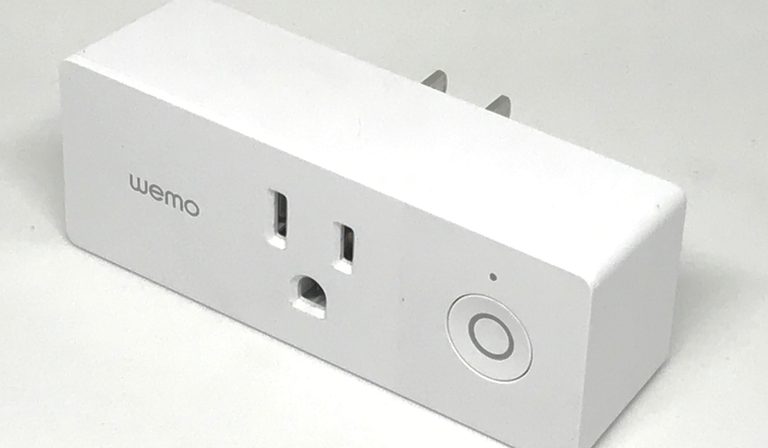
Smart plugs remain one of the cheapest, easiest ways to make your home “smarter.” In 2026, the market has matured: Matter is finally widespread, Thread is common in mid-range models, and even budget plugs offer reliable scheduling. But the tradeoffs between price, protocol, and ecosystem lock-in are sharper than ever. This guide cuts through the noise and tells you exactly what to look for, what to skip, and which category fits your needs.
What to Look For
Before you buy, understand these five factors:
- Protocol: Wi-Fi plugs are the simplest (no hub required) but can clog your network. Thread/Matter plugs need a Thread border router (like an Apple TV or Echo Hub) but are faster and more reliable. Zigbee and Z-Wave require a dedicated hub but offer rock-solid mesh networking.
- Energy Monitoring: Only useful if you actually check the data. Most budget plugs omit it; mid-range models include it but with varying accuracy.
- Size: A plug that blocks the adjacent outlet is infuriating. Look for “side-friendly” designs or slim profiles.
- Outdoor Rating: If you need one outside, don’t cheap out. Look for IP65 or better, and make sure the plug is rated for your climate (heat, cold, rain).
- Ecosystem: A plug that only works with Alexa is useless if you switch to Google or HomeKit later. Matter is the closest thing to a universal standard, but not all Matter plugs support all platforms equally.
Budget Picks ($10–$20)
These are the entry-level workhorses. They’re Wi-Fi only, no hub needed, and usually from brands like TP-Link, Kasa, or Amazon’s own Smart Plug. Expect basic on/off scheduling, voice control via Alexa or Google, and no energy monitoring. Some cheap no-name brands exist, but reliability and security updates are questionable—stick with established names.
Tradeoffs: You get what you pay for. Setup is easy, but if your Wi-Fi is congested, these plugs can drop offline. They also lack Thread or Matter, so you’re locked into the brand’s app and cloud. If you only need a couple of plugs for lamps or holiday lights, this tier is fine. For anything critical (like a space heater or aquarium pump), spend more.
Mid-Range Workhorses ($20–$35)
This is the sweet spot for most people. You’ll find Matter/Thread support, energy monitoring, and better build quality. Brands like Eve (Thread-only), Philips Hue (Zigbee, requires Hue Bridge), and TP-Link’s Matter-enabled models dominate here.
Key features: Energy monitoring that actually works (Eve’s is excellent), compact designs that don’t block adjacent outlets, and local control via Thread (no cloud dependency for basic commands). The tradeoff is that Thread requires a border router—if you don’t have an Apple TV, HomePod, or Echo Hub, you’ll need to buy one. Matter support means you can use the plug with any platform, but initial pairing is still sometimes clunky across ecosystems.
Reliability: These plugs rarely drop offline. The extra $10–15 buys you peace of mind and future-proofing. If you’re building a smart home gradually, start here.
Premium & Specialized ($35–$60)
This tier covers outdoor plugs, dimmable smart plugs (for incandescent or dimmable LED bulbs), and advanced energy monitors. Outdoor models from brands like Meross or Kasa are IP65-rated, handle extreme temperatures, and often include two independently controlled outlets. Dimmable plugs (e.g., Lutron Caséta) require a hub but offer smooth dimming without buzzing.
Tradeoffs: Outdoor plugs are bulkier and cost more. Dimmable plugs are niche—most people are better off with a smart bulb. Z-Wave plugs (e.g., Zooz) fall here too; they’re rock-solid for home automation hubs like Hubitat or Home Assistant, but you’re locked into Z-Wave and need a hub. Energy monitoring at this tier can be granular enough to track individual appliance costs, but the data is only useful if you act on it.
Ecosystem Lock-In & Compatibility
The biggest trap in 2026 is still ecosystem lock-in. A plug that only works with Alexa today may not work with Google tomorrow. Matter was supposed to fix this, and it has helped—but not perfectly. Some Matter plugs only support basic on/off over Matter, while advanced features (energy monitoring, schedules) remain in the brand’s app. Others require a firmware update to enable full Matter support.
What to do: If you’re all-in on Apple HomeKit, buy Thread-based plugs from Eve or similar. If you use Alexa or Google, Matter plugs from TP-Link or Amazon are safe bets. Avoid “works with Alexa only” plugs unless you’re certain you’ll never switch. For Home Assistant users, Z-Wave or Zigbee plugs are still the most reliable and local.
The Verdict
For most people, buy a mid-range Matter/Thread plug from a reputable brand (Eve, TP-Link, or Philips Hue if you already have the bridge). It costs a bit more upfront but saves you from replacing plugs when you change ecosystems. If you only need two plugs for basic lamp timers, a budget Wi-Fi plug is fine—just accept the occasional offline hiccup. Outdoor and dimmable plugs are worth the premium only if you genuinely need them.
This page contains affiliate links; as an Amazon Associate I earn from qualifying purchases.